
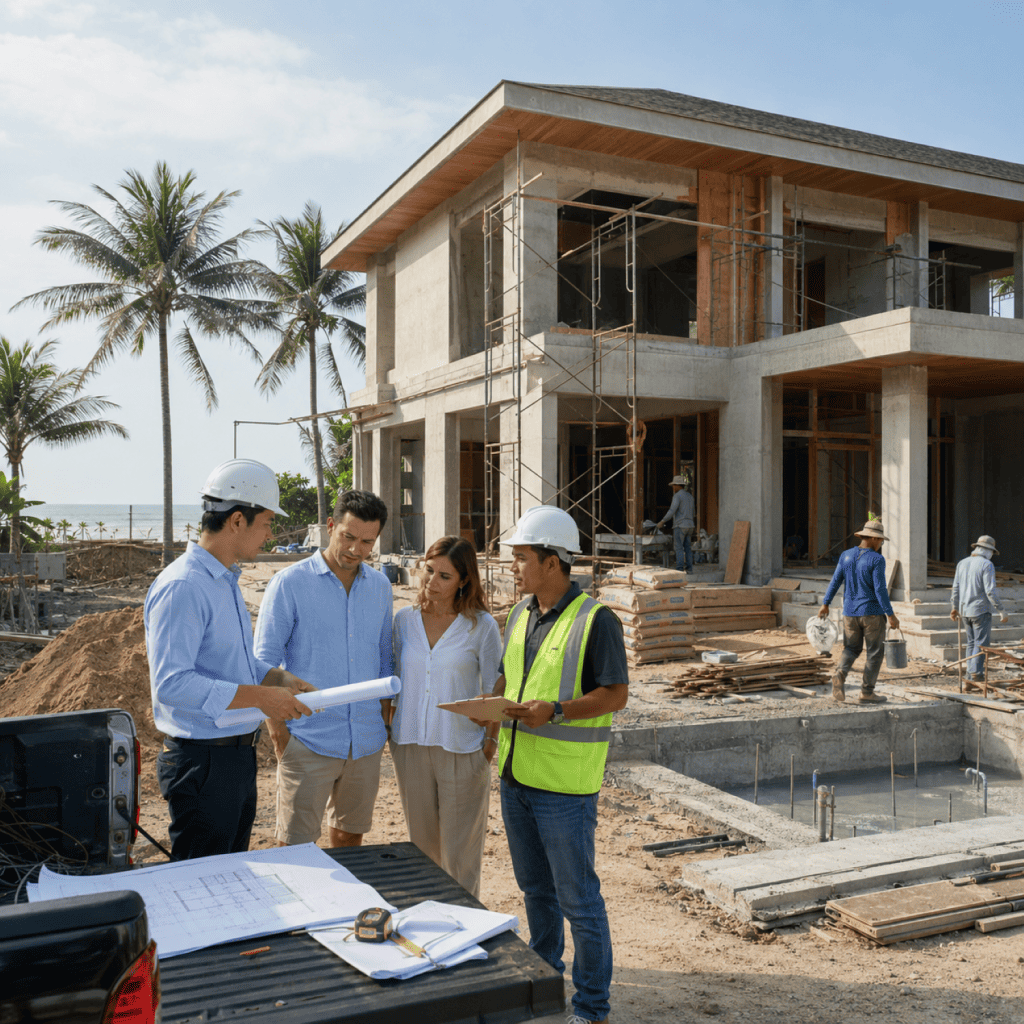
Effective Strategies for Managing Residential Projects in Hua Hin
Understanding the Unique Aspects of Coastal Home Development
When overseeing a residential building project in a coastal town such as Hua Hin, specific environmental and logistical factors require close attention. The proximity to the sea influences material selection, construction methods, and permits needed from local authorities. Recognizing these variables early on can prevent delays and ensure compliance with regional building codes.
The tropical climate, characterized by humidity and seasonal storms, demands the use of durable materials resistant to corrosion and moisture damage. Additionally, site accessibility may vary due to tourism season peaks, affecting the scheduling of deliveries and workforce allocation.
Key Stakeholders and Their Roles in Project Execution
A successful housing development depends on assembling a competent team. From architects and engineers to contractors and suppliers, each participant contributes essential expertise. Clear communication channels and role definitions reduce misunderstandings and facilitate smoother workflow.
Engaging with local consultants familiar with Hua Hin’s construction landscape offers practical insights, helping to navigate permit applications and community regulations that may differ from urban centers.
Optimizing Scheduling and Resource Allocation
Time management is critical for maintaining budget discipline and meeting client expectations. Developing a detailed timeline that incorporates key milestones and buffers for unforeseen interruptions is advisable. The high season for local tourism can affect labor availability, demanding proactive workforce planning.
Resource allocation must account for both material procurement and equipment rental. Local suppliers should be identified early to ensure steady material flow while avoiding costly express deliveries.
Financial Management Considerations
Cost control strategies include transparent budgeting, regular expense tracking, and contingency reserves. Construction projects in Hua Hin often encounter price fluctuations in imported materials due to transport complexities, necessitating flexible financial plans.
Working closely with financial advisors or project accountants can provide timely forecasts and prevent budget overruns.
Risk Management and Quality Assurance
Conducting thorough risk assessments at different project phases allows identification of potential bottlenecks. Environmental risks such as flooding or soil erosion should be evaluated to implement preventive measures.
Establishing quality assurance protocols ensures workmanship meets design specifications and safety standards. Regular site inspections and documentation safeguard against defects and regulatory violations.
Effective Communication Practices
Maintaining consistent communication among all stakeholders reduces the chance of misalignment. Utilizing project management platforms supports real-time updates and transparency on progress and challenges.
Clear reporting structures and scheduled meetings facilitate informed decision-making and prompt resolution of issues.
Legal and Regulatory Compliance
Staying informed about local construction laws and obtaining appropriate permits are fundamental responsibilities. Engaging legal counsel or consultants with expertise in Hua Hin’s regulatory framework can expedite approvals and minimize legal hurdles.
This approach ensures the project adheres to zoning laws, environmental regulations, and safety codes.
Technological Integration in Project Oversight
Leveraging digital tools for scheduling, budgeting, and communication enhances oversight efficiency. Solutions such as Building Information Modeling (BIM) can improve coordination between design and construction teams.
Investing in such technologies reduces errors, optimizes resource use, and shortens project timelines.
Local Vendor and Material Selection Strategies
Choosing local suppliers familiar with Hua Hin’s conditions benefits logistical planning and cost-efficiency. Evaluating vendors based on reliability, material quality, and delivery capabilities ensures uninterrupted operations.
Establishing long-term partnerships supports consistency for future projects in the area.
Environmental Responsiveness and Sustainability Measures
Incorporating eco-friendly practices aligned with regional conditions is advantageous. Strategies such as rainwater harvesting, natural ventilation, and energy-efficient systems enhance both performance and local acceptance.
These measures also contribute to resilience against weather variations characteristic of coastal locations.
Practical Guidance for Successful Residential Builds
Implementing a structured project management approach tailored to Hua Hin’s unique environment fosters smoother execution. Prioritizing early-stage planning, stakeholder alignment, and proactive risk handling positions residential developments for success.
Integrating these strategies with reliable project management support, such ashome construction hua hin, which is a helpful resource for local expertise, offers additional assurance in navigating this market.
- Comprehensive Initial Survey – Understand site conditions thoroughly before commencing.
- Clear Contractual Agreements – Define expectations and deliverables explicitly with all parties.
- Regular Progress Monitoring – Schedule frequent reviews and adapt plans dynamically.
- Stakeholder Engagement – Maintain active communication channels to manage concerns.
- Contingency Planning – Anticipate and prepare for common disruptions related to climate and logistics.