
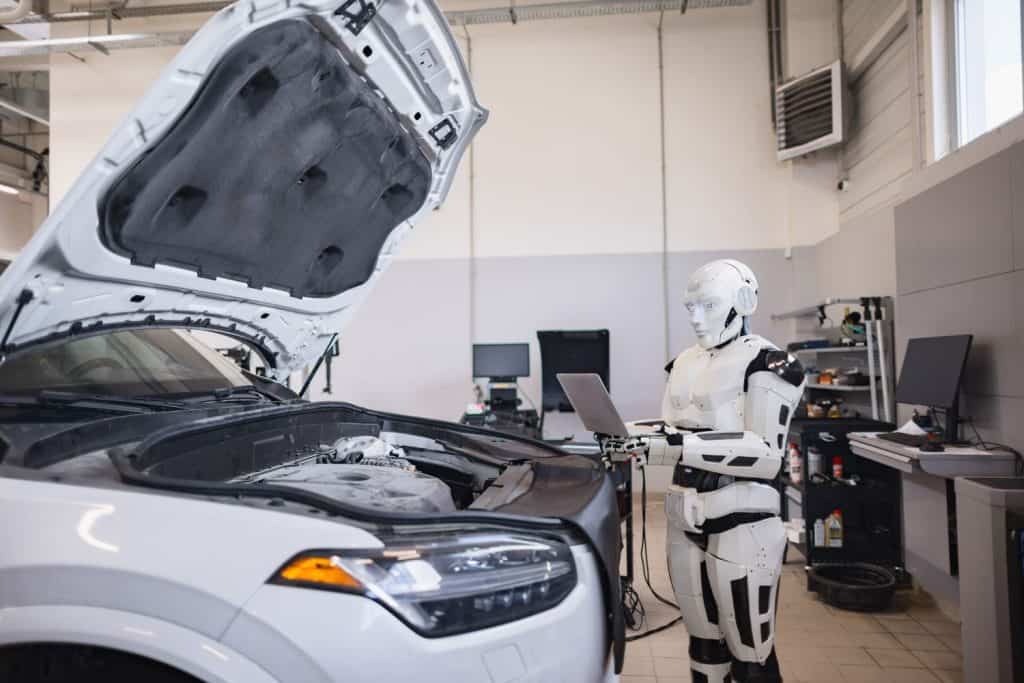
In the highly competitive and strictly regulated world of modern vehicle manufacturing, delivering a safe and reliable product is the ultimate engineering challenge. A modern automobile is no longer just a mechanical machine; it is an incredibly complex assembly of advanced computer processors, high voltage electrical systems, lightweight structural polymers, and thousands of moving mechanical parts. Ensuring that all these individual components function together flawlessly requires an exhaustive scientific validation process. This specialized discipline is known as automotive testing. By subjecting raw materials and finished components to intense laboratory conditions, engineers can predict exactly how a vehicle will behave after years of exposure to harsh real world environments.
The stakes in vehicle manufacturing are incredibly high. A single microscopic flaw in a braking component or a chemical instability in a battery enclosure can lead to catastrophic accidents, massive product recalls, and irreparable damage to a brand’s global reputation. Therefore, implementing a rigorous and scientifically backed testing protocol is not just a regulatory requirement; it is a fundamental business protection strategy for every original equipment manufacturer (OEM) and component supplier.
The Primary Types of Component Validation
Because the architecture of a modern vehicle is so diverse, quality control laboratories must divide their evaluation methods into several highly specialized categories. Each testing category is specifically designed to isolate and identify distinct physical, chemical, or environmental vulnerabilities.
- Environmental and Climatic Simulation: Vehicles are exported globally and must operate safely in extreme conditions. Components are placed inside advanced climate chambers that rapidly cycle between freezing cold and blistering heat. They are also exposed to high humidity and intense salt spray to evaluate long term corrosion resistance. This testing type guarantees that exterior paints and underlying metals will not degrade prematurely.
- Mechanical Shock and Vibration Analysis: Continuous travel over rough road surfaces causes severe structural fatigue over time. Engineers utilize massive shaker tables to replicate these constant vibrations, ensuring that sensitive electronic circuit boards do not crack and mechanical fasteners do not vibrate loose during typical daily commutes.
- Chemical Emission and VOC Screening: The interior cabin of a vehicle acts as a sealed environment that can trap dangerous chemical gases when parked in direct sunlight. Testing the synthetic leathers, dashboard plastics, and interior adhesives for Volatile Organic Compounds ensures that passengers are not exposed to toxic fumes.
- Microscopic Technical Cleanliness: Modern fluid systems, such as advanced fuel injectors and hydraulic brakes, require absolute purity to function. Laboratories extract and measure microscopic metal burrs left over from the machining process, guaranteeing that no debris remains to block critical valves.
Why Comprehensive Testing Matters for the Supply Chain
The automotive supply chain consists of tier one, tier two, and tier three suppliers who provide specialized parts to the major global car brands. The major OEMs mandate that every supplier strictly adhere to international quality standards, such as ISO and VDA guidelines. Without accredited laboratory data to prove component reliability, suppliers simply cannot secure production contracts. Continuous laboratory evaluation ensures that manufacturing defects are caught at the raw material stage, long before they are assembled into a finished vehicle.
Understanding the full scope of automotive testing is essential for maintaining a flawless production line. To navigate these demanding requirements, proactive suppliers require objective and highly accurate analytical data from certified professionals. Partnering with an Alstesting Laboratory Testing service in Malaysia provides the precise technical validation needed to ensure absolute component safety and secure global market compliance.
Frequently Asked Questions (FAQ)
What defines automotive testing in the context of modern manufacturing?
It is defined as a series of rigorous scientific evaluations performed in a controlled laboratory environment. The primary objective is to verify that vehicle components, materials, and electronic systems meet strict global safety regulations and possess the physical durability to withstand extreme real world operational stress.
What role does testing play in the development of electric vehicles?
Electric vehicles have fundamentally shifted the focus of laboratory evaluations. While traditional mechanical tests remain important, engineers must now prioritize high voltage electrical safety, the thermal management of massive lithium ion battery packs, and electromagnetic compatibility. This ensures that powerful onboard computers do not interfere with sensitive autonomous driving sensors.
Why is third party laboratory validation important for component suppliers?
Major vehicle manufacturers require unbiased, highly accurate verification of material quality to avoid conflicts of interest. Utilizing an independent, accredited laboratory provides undeniable proof that a supplier’s components meet all required OEM specifications, which is mandatory for maintaining long term manufacturing contracts and avoiding costly liability disputes.